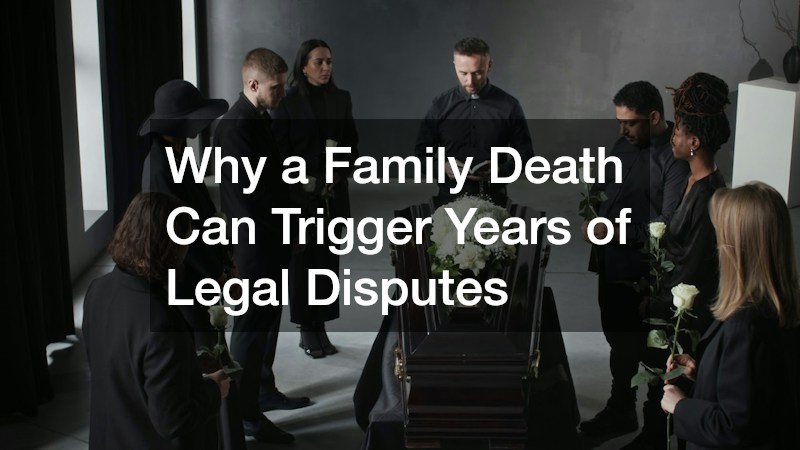
Losing a family member is hard enough without the added weight of legal complications that can drag on for months or even years. Yet disputes over wills, property, insurance payouts, and accident liability are more common than most people expect, often catching grieving families off guard. Understanding where these conflicts tend to start can help you protect your loved one’s legacy and your own peace of mind.
This article walks through the most common triggers for prolonged legal battles after a death and what you can do to avoid becoming entangled in one.
Disputes Over Wills and Estate Distribution
When a family member dies without a clear, updated will, disagreements among heirs can escalate quickly. Intestacy laws, which dictate how assets are divided when there is no valid will, rarely match what the deceased would have actually wanted, and they often leave out stepchildren, unmarried partners, or close friends entirely. This gap between legal default and personal intent is fertile ground for resentment and litigation.
Even with a will in place, disputes arise when beneficiaries question its validity, suspect undue influence, or feel the document does not reflect the deceased’s true wishes. Common grounds for contesting a will include claims that the deceased lacked mental capacity at the time of signing, that a caregiver or relative pressured them into favorable terms, or that the document was improperly witnessed or executed. Family members may also point to a more recent, informal note or verbal promise as evidence that the official will is outdated.
These conflicts often require probate court involvement, which can stretch a simple estate settlement into a multi-year ordeal. Legal fees, appraisals, and court costs can quietly consume a significant share of the estate’s value, sometimes leaving far less for heirs than anyone anticipated. In cases involving contested business interests, real estate, or blended families with children from multiple marriages, the disputes tend to be especially prolonged and emotionally charged.
The financial and emotional toll of contested estates is significant, and legal fees can quietly consume a large portion of the inheritance being fought over. Probate litigation often drags on for one to three years, and in complex or particularly contentious cases, it can stretch even longer. During that time, attorney fees, court costs, and appraisal expenses accumulate steadily, sometimes reducing what beneficiaries ultimately receive by tens of thousands of dollars.
Common triggers for these disputes include ambiguous or outdated wills, allegations that a family member exerted undue influence over the deceased, questions about mental capacity at the time the will was signed, and unequal distributions among siblings that feel unjustified. Blended families and second marriages add another layer of complexity, since stepchildren and biological children may have conflicting expectations about what they’re owed.
Families who take the time to understand estate law basics before conflict arises are far better positioned to resolve disagreements quickly. Simple steps like keeping wills updated after major life events, discussing intentions openly while the testator is still alive, and naming a neutral executor can prevent many disputes before they start. When conflicts do arise, mediation is often faster and far less expensive than litigation, and it allows families to preserve relationships that a courtroom battle would likely damage beyond repair.
- Unclear or outdated wills that fail to reflect divorces, remarriages, new children, or estranged relationships
- Allegations that a family member exerted undue influence, isolating the deceased or arranging last-minute changes
- Disputes over unequal distribution among siblings or children, often rooted in old sibling rivalries or perceived favoritism
- Missing or contested documentation of the deceased’s final wishes, including unsigned drafts or conflicting versions
- Questions about the deceased’s mental capacity at the time the will was signed, especially with dementia or late-stage illness
- Disagreements over the validity of handwritten changes, verbal promises, or informal notes not included in the formal will
- Conflicts between named executors and beneficiaries over how assets are valued, sold, or distributed
Fatal Accidents and Liability Claims

When a death results from a car crash, workplace incident, or defective product, families often face a second layer of legal complexity on top of their grief. Determining fault is rarely straightforward, especially when insurance companies dispute liability or attempt to minimize payouts. In these situations, a wrongful death lawyer can help surviving family members pursue compensation for lost income, funeral costs, and emotional suffering.
These cases frequently take years to resolve because insurance companies and defense attorneys have strong incentives to delay settlements. Families who do not seek legal guidance early risk missing filing deadlines or accepting settlements that fall far short of what they are owed.
- Disputes over who was legally at fault in the fatal incident
- Insurance companies denying or undervaluing claims
- Multiple parties involved, such as employers, manufacturers, or drivers
- Statutes of limitations that vary significantly by state
Car Accidents That Lead to Fatal Outcomes
Fatal car accidents create a uniquely painful legal situation because families must grieve while also navigating police reports, insurance adjusters, and potential criminal proceedings against the at-fault driver. An auto accident attorney can help sort through conflicting witness statements, traffic camera footage, and vehicle damage reports to establish a clear picture of what happened. This process often uncovers additional liable parties, such as a distracted employer-provided vehicle or a poorly maintained road.
Because these cases involve both civil and sometimes criminal court proceedings, they can span several years before reaching resolution. Families searching for the best car accident attorney should look for someone with specific experience handling fatality cases, since the stakes and complexity are far higher than in a standard injury claim.
- Criminal charges against the at-fault driver running parallel to civil claims
- Multiple insurance policies that may apply, including commercial coverage
- Disputes over whether road conditions or vehicle defects contributed
- Delays caused by ongoing police or accident reconstruction investigations
Medical Malpractice and End of Life Care Disputes
Some family legal battles begin with questions about the quality of medical care a loved one received before death. When families suspect that a misdiagnosis, surgical error, or nursing home neglect contributed to the death, they may pursue a malpractice claim against the responsible provider. These cases require extensive medical record review and expert testimony, which naturally extends the timeline of resolution.
Working with the best personal injury attorney early in this process can make a meaningful difference, since these professionals understand how to gather medical evidence before it becomes harder to obtain. Hospitals and care facilities often have legal teams working to protect their reputation, making it essential for families to have equally strong representation.
- Suspected medication errors or delayed diagnoses
- Nursing home neglect or understaffing concerns
- Disputes over whether informed consent was properly obtained
- Long timelines caused by expert medical review requirements
Life Insurance and Beneficiary Conflicts
Life insurance payouts should provide financial relief, but they frequently become another source of conflict when beneficiary designations are outdated or unclear. Problems arise when a policyholder never updated their beneficiary after a divorce, remarriage, or estrangement, leaving family members to argue over who was truly intended to receive the funds. A former spouse named decades earlier and never removed from the policy, for example, may be legally entitled to the entire payout even if the policyholder remarried and had children with someone else.
The law generally follows the beneficiary form itself rather than the deceased’s presumed wishes or the language in their will, which surprises many grieving families. Courts have repeatedly ruled that a will cannot override a life insurance contract’s named beneficiary, no matter how clearly the will states otherwise. This mismatch between paperwork and intent is one of the most common triggers of prolonged litigation, sometimes dragging on for years and costing far more in legal fees than the policy was worth.
Insurance companies sometimes delay payment altogether while investigating suspicious circumstances surrounding the death. Slayer statutes, which bar a beneficiary from collecting if they caused the insured’s death, can freeze disbursement for months while criminal or civil proceedings play out. Similarly, policies purchased shortly before death, or death occurring within the contestability period (typically the first two years), routinely trigger deeper insurer scrutiny, further delaying payouts and fueling suspicion among surviving relatives.
- Beneficiary forms that were never updated after major life changes, like a divorce, remarriage, or the birth of a child, so the policy pays out exactly as written even if it no longer reflects the deceased’s actual wishes
- Competing claims from ex-spouses and current spouses, especially when a divorce decree required the policy to be changed, but the paperwork with the insurer was never actually filed
- Investigations into the cause of death that delay payout, particularly in cases involving accidents, overdoses, or deaths within the policy’s contestability period (typically the first two years)
- Disputes between children from different marriages, often when one branch of the family suspects a stepparent or half-sibling of coercing the deceased into last-minute changes
- Slayer statutes and suspicious circumstances, which can bar a beneficiary from collecting if they’re implicated in the death, triggering criminal proceedings before any civil payout
- Interpleader lawsuits filed by insurers themselves, who deposit the funds with a court and let rival claimants fight it out when they can’t determine the rightful beneficiary
Social Security Survivor Benefits and Denied Claims
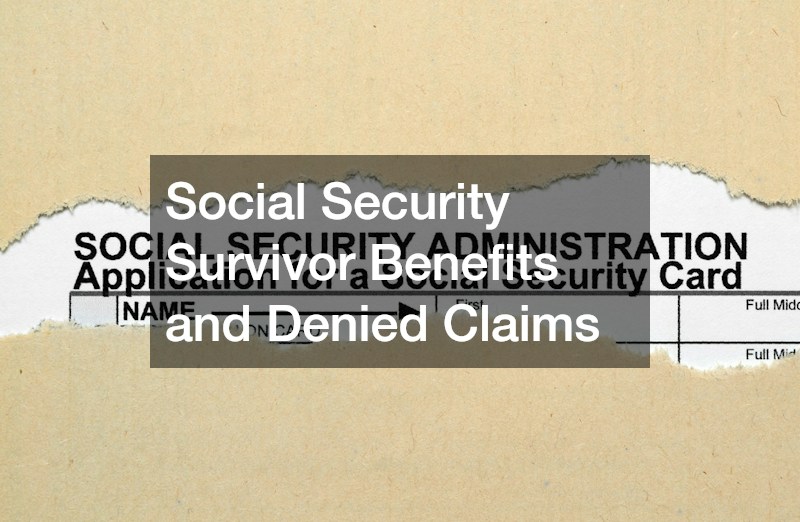
Many families do not realize that a deceased loved one’s Social Security benefits may extend to surviving spouses, children, or dependent parents. Applying for these survivor benefits can be surprisingly complicated, and claims are often denied due to paperwork errors or missing documentation. When this happens, Social Security attorneys can help families appeal denials and navigate the administrative process that governs these benefits.
The appeals process for denied survivor benefits can take months or longer, particularly if a hearing before an administrative law judge becomes necessary. Because these benefits often provide critical financial support after a death, understanding the application requirements ahead of time can prevent unnecessary delays.
- Incomplete applications leading to automatic denials
- Confusion over eligibility for stepchildren or estranged spouses
- Appeals requiring hearings that add months to the timeline
- Retroactive benefits that may be owed but are hard to claim
Property and Real Estate Ownership Battles
Real estate is one of the most contested assets after a death, particularly when multiple heirs inherit a single property without a clear plan for its use or sale. Disagreements over whether to sell, rent, or keep a family home can turn into lengthy court battles, especially when siblings or relatives have differing financial needs. These disputes are often complicated further by unclear titles, unpaid property taxes, or informal agreements that were never put in writing.
- Disagreements among co-heirs about selling versus keeping property
- Unclear or outdated property titles complicating ownership
- Unpaid taxes or liens discovered after the death
- Informal verbal agreements that lack legal enforceability
Conclusion
Family legal disputes after a death rarely stem from a single cause, and they can persist for years when communication breaks down or important documents are missing. Taking proactive steps now, such as updating wills, reviewing beneficiary designations, and understanding your rights after an accident, can spare your family unnecessary conflict later. If you are already facing a dispute, consulting with a qualified attorney early can help clarify your options and protect your interests. Acting sooner rather than later is almost always the best way to bring these matters to a fair and timely resolution.