Understanding the First 72 Hours After Trauma
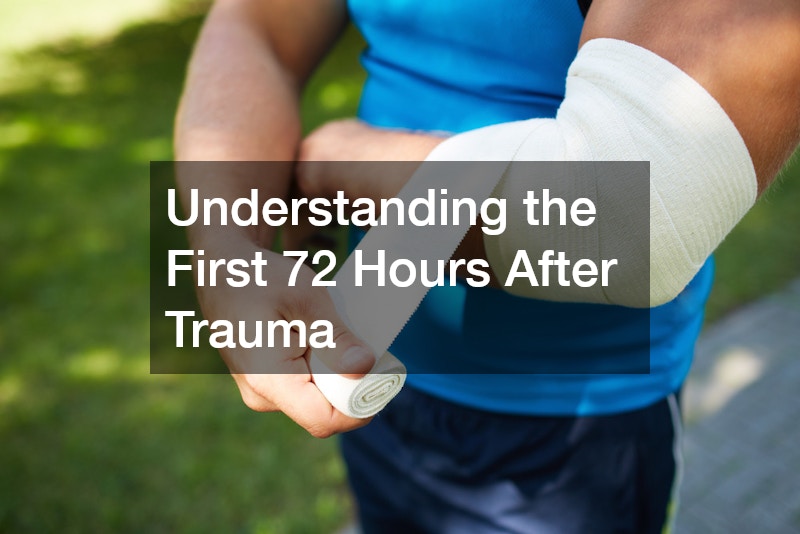
During the first few days after a serious injury sets the tone for everything that follows. Even when survival is the immediate priority, the decisions that you make during this window often influence medical outcomes, insurance coverage, and legal options later. Many long-term complications trace back to what was—or was not—documented in the early stages.
Initial care typically begins in an emergency hospital, where providers focus on stabilizing injuries, controlling pain, and identifying life-threatening conditions. During this stage, imaging, blood work, and physician assessments are completed quickly, often under pressure. These records become the baseline against which future symptoms and treatments are measured, even though injuries like soft-tissue damage or inhalation exposure may worsen over time.
Because patients are often sedated, disoriented, or overwhelmed, family members may need to advocate actively. Asking questions, requesting clarification, and confirming next steps can help ensure that early care does not overlook developing issues.
Key steps during this period include:
-
Ensuring all injuries, even those that seem minor, are recorded
-
Asking for copies of discharge instructions and test summaries
-
Confirming follow-up referrals and specialist recommendations before leaving
In addition to hospital staff, emergency equipment service providers may be involved in transport, on-site stabilization, or specialized response. Ambulance crews, air medical teams, and trauma-response equipment vendors generate separate documentation and billing. These records often include timestamps, observations, and treatment details that can later support both medical continuity and insurance review if questions arise.
Creating a Centralized Recovery Plan Early
Once immediate danger has passed, the biggest risk becomes disorganization. Appointments multiply, paperwork accumulates, and instructions come from multiple providers who may not communicate directly with one another. Without a clear plan, recovery can become reactive instead of intentional.
A centralized recovery plan serves as a single source of truth. It does not need to be complicated, but it should evolve as recovery progresses. At a minimum, it should outline:
-
All current medical providers and upcoming appointments
-
Prescribed treatments, restrictions, and therapy schedules
-
Insurance deadlines, claim numbers, and billing contacts
-
Legal and documentation priorities
Many injury victims benefit from early guidance by a personal injury attorney, who can help ensure that medical decisions and documentation align with future claims. This does not mean committing to litigation immediately. Instead, it helps prevent common problems such as incomplete records, unclear causation, or treatment gaps that insurers later use to dispute severity.
To keep everything aligned:
-
Designate one person to track updates and paperwork
-
Maintain a shared calendar for appointments and deadlines
-
Store medical notes, bills, and correspondence in one organized location
When care is coordinated intentionally, patients are better positioned to focus on healing rather than constantly reacting to administrative demands.
Knowing When Legal Guidance Becomes Critical

Not every injury requires legal action, but many people wait too long to recognize when legal guidance could protect them. The need often becomes clear when injuries interfere with income, mobility, or daily function longer than expected.
A car accident attorney is commonly consulted when fault is disputed, insurance coverage is limited, or settlement offers do not reflect the true scope of injuries. Their role often includes gathering evidence, coordinating expert input, and managing communication so patients can focus on treatment rather than negotiations.
As recovery continues, some individuals discover that their injuries prevent a full return to previous work or activities. In these cases, a disability attorney may become relevant later in the process. These professionals focus on longer-term implications such as reduced earning capacity, workplace accommodations, or benefit eligibility. Their involvement typically depends on how recovery unfolds rather than the initial accident itself.
Warning signs that legal input may be necessary include:
-
Pressure to settle before treatment is complete
-
Conflicting statements from insurers about coverage
-
Difficulty resuming prior job duties or hours
Recognizing these signals early allows injured individuals to make informed decisions rather than reacting under financial or emotional pressure.
Addressing Burn-Specific Medical and Legal Challenges
Burn injuries introduce layers of complexity that extend far beyond the initial trauma. Treatment often involves multiple phases, including acute care, reconstructive procedures, physical therapy, and psychological support. Recovery timelines can span months or years, with outcomes that are difficult to predict early on.
A burn injury attorney typically becomes involved when these factors affect liability, compensation, or long-term care planning. Burn cases often require specialized medical opinions and detailed projections of future treatment needs, making early coordination especially important.
Beyond physical healing, many burn survivors explore options to address visible scarring once the skin has stabilized. Scar camouflage techniques—such as medical pigmentation or corrective cosmetic procedures—are sometimes used to reduce contrast and improve appearance. While often labeled cosmetic, these interventions can influence social confidence, employability, and overall quality of life.
Key considerations include:
-
Timing cosmetic procedures appropriately within the healing process
-
Ensuring providers document both physical and emotional impacts
-
Understanding how long-term treatment plans interact with claims
Burn recovery benefits most from a coordinated approach that acknowledges both visible and invisible consequences.
Managing Family and Household Impacts During Recovery
Trauma rarely affects only one person. When injuries limit mobility, independence, or cognitive function, families often shoulder the resulting changes. Caregiving responsibilities may increase suddenly, while income and routine stability decrease.
In some situations, consulting a family lawyer becomes relevant. This may involve temporary guardianship arrangements, adjustments to custody schedules, or financial planning changes when one partner cannot meet previous obligations. These steps are not about conflict—they are about maintaining structure during a period of uncertainty.
Families navigating recovery benefit from clarity and communication. Practical steps include:
-
Clearly defining caregiving roles and realistic limits
-
Tracking additional household expenses related to care
-
Discussing burnout, emotional strain, and support needs openly
Addressing these issues early helps prevent resentment, miscommunication, and long-term stress that can undermine recovery for everyone involved.
Adapting the Home for Safety and Independence

As recovery progresses, many injury victims discover that their homes no longer support their needs. Everyday features like stairs, narrow hallways, or standard bathrooms can create ongoing risks and frustrations.
Home accessibility modifications are often introduced in stages as limitations become clearer. Some changes are temporary, while others may become permanent depending on recovery outcomes. Common adaptations include ramps, grab bars, non-slip flooring, widened doorways, or reconfigured workspaces.
When planning changes:
-
Request functional assessments from medical providers or therapists
-
Prioritize safety and independence over aesthetics
-
Keep records of recommendations, estimates, and installations
Well-documented modifications support continuity of care and ensure that changes align with both medical guidance and long-term recovery goals.
Exploring Complementary Recovery Options
Recovery is not solely physical. Chronic pain, sleep disruption, anxiety, and emotional fatigue can slow healing and reduce quality of life. Some injury victims explore complementary approaches alongside traditional medical care.
An alternative medicine practitioner may offer therapies focused on stress management, pain relief, or overall wellness. These approaches can be supportive when used thoughtfully, but they should never replace prescribed treatment without medical guidance.
Best practices include:
-
Informing primary providers about all complementary therapies
-
Avoiding approaches that contradict medical restrictions
-
Keeping personal notes on symptom changes or side effects
When coordinated responsibly, complementary care can support resilience without undermining formal recovery plans.
Keeping Medical and Legal Documentation Aligned
One of the most common recovery pitfalls is inconsistent documentation. Medical notes, insurance records, and legal filings must tell the same story. Even minor discrepancies can lead to claim delays or denials.
A personal injury attorney often reviews records to identify gaps that could weaken a case. This may include missing follow-up notes, vague injury descriptions, or inconsistencies between provider reports and patient statements.
To stay organized:
-
Maintain a master file of all records and correspondence
-
Review visit summaries and reports for accuracy
-
Request corrections promptly when errors appear
Clear, consistent documentation supports both effective medical decision-making and long-term legal protection.
Planning for Long-Term Recovery and Stability
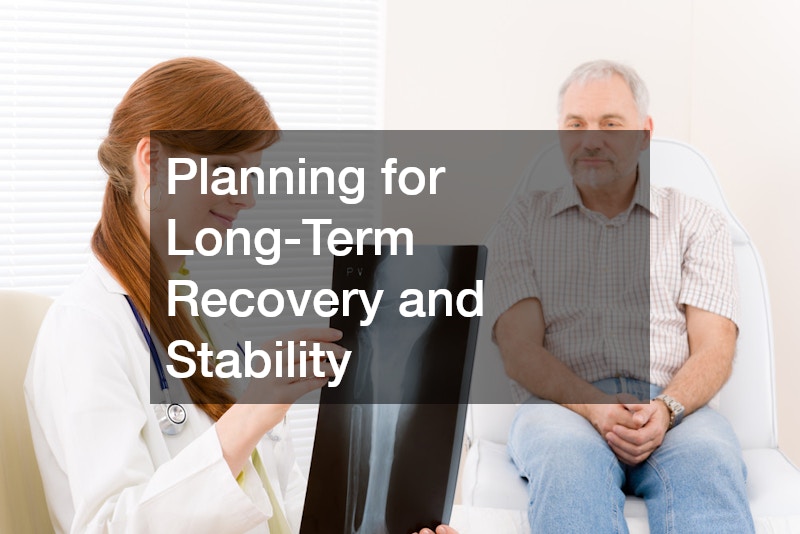
As recovery moves beyond acute treatment, focus shifts toward long-term stability. This phase involves reassessing physical capacity, financial planning, and future care needs. Expectations often need adjustment as outcomes become clearer.
For individuals facing permanent limitations, continued coordination with a disability attorney can help address benefits, accommodations, and income replacement options. These conversations are most productive once the medical picture has stabilized enough to assess long-term impact.
Long-term planning may include:
-
Evaluating vocational rehabilitation or retraining options
-
Anticipating future medical or therapy needs
-
Adjusting lifestyle expectations realistically and sustainably
Taking a proactive approach reduces uncertainty and allows injured individuals to regain a sense of control over their future.
Recovery after a serious accident or burn injury is not a single decision or moment—it is a process that unfolds over time. What often determines the quality of that recovery is not just the severity of the injury, but how well the many moving parts are managed together. Medical treatment, legal decisions, family dynamics, and daily living adjustments all influence one another. When these elements are addressed in isolation, progress can stall. When they are coordinated intentionally, recovery becomes more stable and predictable.
One of the most important takeaways is that coordination does not require perfection or constant action. It requires awareness, organization, and the willingness to ask questions at the right moments. Early documentation supports later decisions. Clear communication prevents misunderstandings. Thoughtful planning reduces the stress that so often compounds physical pain. Each step builds on the last, creating a recovery path that is proactive rather than reactive.
It is also important to recognize that recovery rarely follows a fixed timeline. Setbacks, plateaus, and reassessments are common, especially with complex injuries. Adjusting expectations is not a sign of failure—it is part of adapting to new realities while still protecting long-term interests. Taking time to reassess needs, update plans, and revisit goals helps ensure that recovery strategies remain relevant as circumstances change.
Perhaps most importantly, individuals do not need to navigate this process alone. While no single professional can address every challenge, coordinated support makes it easier to balance treatment, responsibilities, and future planning. Even small steps—such as keeping organized records or clarifying roles within the household—can significantly reduce stress and uncertainty.
Ultimately, recovery is about more than your healing injuries. It is about regaining stability, preserving independence, and creating a path forward that accounts for both present needs and future well-being. By approaching recovery with structure, coordination, and informed decision-making, injury victims can move forward with greater confidence and control, even in the face of long-term challenges. Recovery is rarely linear, and patience plays a critical role in long-term outcomes. Giving yourself permission to move at a sustainable pace, seek clarification when needed, and adjust plans over time can make the process more manageable and less overwhelming, while also supporting emotional resilience and long-term personal confidence.