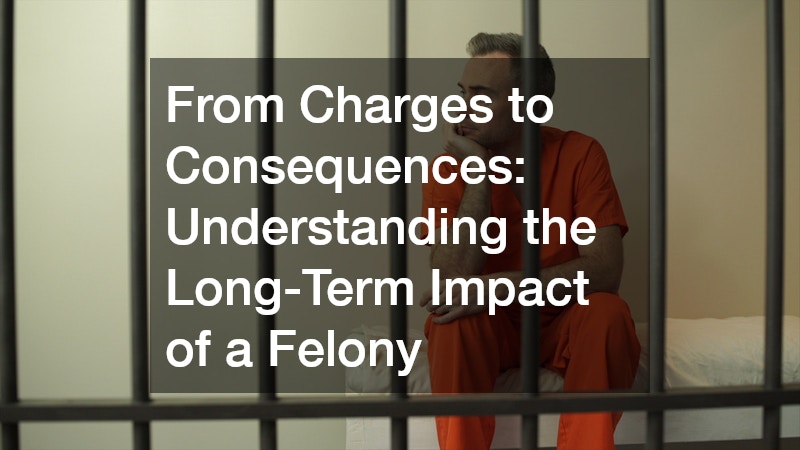
Being charged with a felony is a life-altering event. Unlike minor offenses, a felony carries significant legal, social, and financial consequences that can affect an individual for decades. While some may focus on the immediate legal process—arrest, trial, or sentencing—the long-term impact often extends far beyond the courtroom. Understanding these consequences is essential for anyone navigating the criminal justice system with local felony lawyers or working to rebuild their life after a conviction.
The Immediate Legal Ramifications
The first and most apparent impact of a felony charge is the legal process itself. Felonies are classified based on severity and can include crimes such as theft, assault, drug offenses, or more serious violent crimes.
Once charged, individuals face complex legal procedures, including arraignment, pre-trial hearings, and potentially a jury trial. Legal representation is crucial, as the outcome can determine sentencing severity, probation, or potential incarceration.
Conviction on a felony charge typically results in harsher penalties compared to misdemeanors. This can include significant prison time, probation, fines, or mandatory rehabilitation programs. These immediate legal consequences are just the beginning, as they lay the foundation for long-term societal and personal challenges.
Employment Challenges After a Felony
One of the most significant long-term impacts of a felony is its effect on employment opportunities. Many employers conduct background checks and may be hesitant—or legally restricted—from hiring individuals with felony convictions. This can severely limit job prospects, particularly in professional fields such as finance, healthcare, and education.
Even for positions without formal restrictions, the stigma associated with a felony can create barriers to career advancement. Individuals may find themselves underemployed or forced to accept lower-paying work, which can contribute to financial instability and limit opportunities for personal growth. For many, securing stable employment after a felony requires persistence, rehabilitation, and sometimes legal assistance, such as expungement or record-sealing where eligible.
Housing Restrictions and Financial Impact
Felony convictions can also affect housing options. Landlords often perform background checks, and a felony on record may result in denied rental applications or increased scrutiny. Public housing programs may also impose restrictions, further complicating access to affordable housing.
Financially, a felony can lead to long-term challenges beyond employment. Legal fees for local felony lawyers, restitution, fines, and the costs associated with incarceration can leave lasting debt. Additionally, limited earning potential and housing obstacles can make it difficult to build savings, qualify for loans, or achieve financial stability. For many, the financial consequences persist long after the legal sentence is served.
Loss of Civil Rights
Beyond employment and housing, a felony conviction can result in the loss of certain civil rights. In many states, individuals with felony convictions lose the right to vote, serve on juries, or possess firearms. These restrictions vary by jurisdiction and can sometimes be restored after completing a sentence, but the process may be complex and time-consuming.
For individuals invested in civic engagement or community leadership, the loss of these rights can be particularly impactful. Being unable to participate fully in society reinforces the social stigma associated with felony convictions and can create feelings of exclusion or disempowerment.
Family and Social Consequences
The long-term social consequences of needing local felony lawyers extend to family and personal relationships. Convictions can strain marriages, friendships, and parent-child relationships. In some cases, custody arrangements may be affected, or visitation rights may be restricted. Social stigma can also lead to isolation or difficulties in forming new relationships.
Support networks often play a critical role in recovery and reintegration. Maintaining strong family connections, seeking counseling, and participating in community support programs can mitigate some of the social challenges associated with felony convictions. However, rebuilding trust and reestablishing relationships may take considerable time and effort.
Education and Career Development Barriers
Access to education can also be limited following a felony conviction. Some colleges and universities restrict admissions for individuals with criminal records. Federal student aid may be unavailable for certain types of felony convictions, particularly drug-related offenses. These restrictions can impede career development and make professional advancement more difficult.
For those seeking vocational training or higher education, alternative paths such as community colleges, online programs, or nonprofit educational initiatives may provide opportunities for skill development. Overcoming these barriers requires resilience, planning, and a proactive approach to personal and professional growth.
Mental Health and Emotional Impact
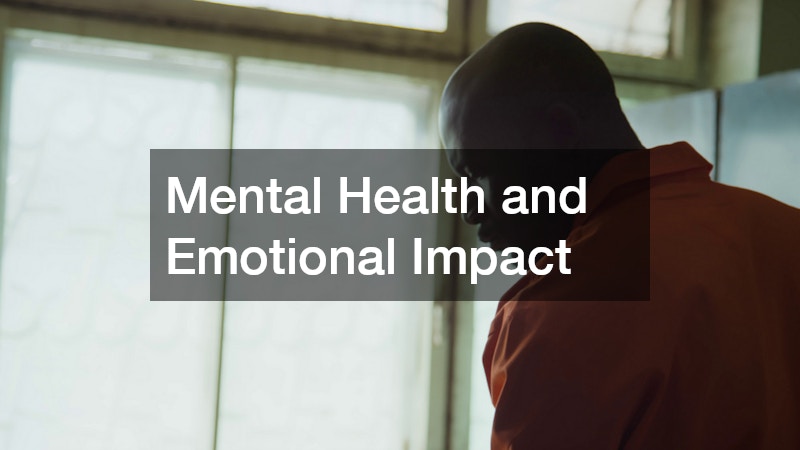
The psychological impact of a felony conviction is often underestimated. Individuals may experience stress, anxiety, depression, or feelings of shame and guilt. The social and financial consequences, combined with legal challenges, can exacerbate mental health struggles. Ongoing support, therapy, and counseling are essential components of recovery and reintegration.
Communities that provide access to mental health services, support groups, and rehabilitation programs can significantly improve outcomes for those with felony convictions. A proactive approach to mental wellness not only helps individuals cope with the consequences but also reduces the risk of recidivism.
Pathways to Redemption and Reintegration
Despite the long-term challenges, individuals with felony convictions can rebuild their lives. Programs focused on rehabilitation, skills training, and legal assistance—such as expungement or record sealing—can improve employment prospects and reduce barriers to housing and education. Community initiatives that encourage second chances, mentorship, and skill development play a crucial role in reintegration.
Legal reforms and support networks also help reduce the social stigma associated with felony convictions. By providing opportunities for personal growth, career development, and civic participation, communities empower individuals to move beyond their past and contribute positively to society.
The impact of a felony extends far beyond the initial charge or conviction. From employment and housing restrictions to social, financial, and emotional consequences, a felony can affect nearly every aspect of an individual’s life. Awareness of these long-term effects is essential for those navigating the criminal justice system, as well as for families, employers, and communities seeking to support successful reintegration.